Case Study
Case Study
Casa 621: Transforming a 100-Year-Old House into a $2,000/Month Business
Company
Own project (family investment)
Company
Own project (family investment)
Company
Own project (family investment)
Services
Market Research · Property Acquisition · Investment Analysis · Design & Construction Advisory · Pricing Strategy · Operations & Financial Strategy
Services
Market Research · Property Acquisition · Investment Analysis · Design & Construction Advisory · Pricing Strategy · Operations & Financial Strategy
Services
Market Research · Property Acquisition · Investment Analysis · Design & Construction Advisory · Pricing Strategy · Operations & Financial Strategy
Industry
Real Estate & Short-Term Rentals
Industry
Real Estate & Short-Term Rentals
Industry
Real Estate & Short-Term Rentals
Year
2025
Year
2025
Year
2025
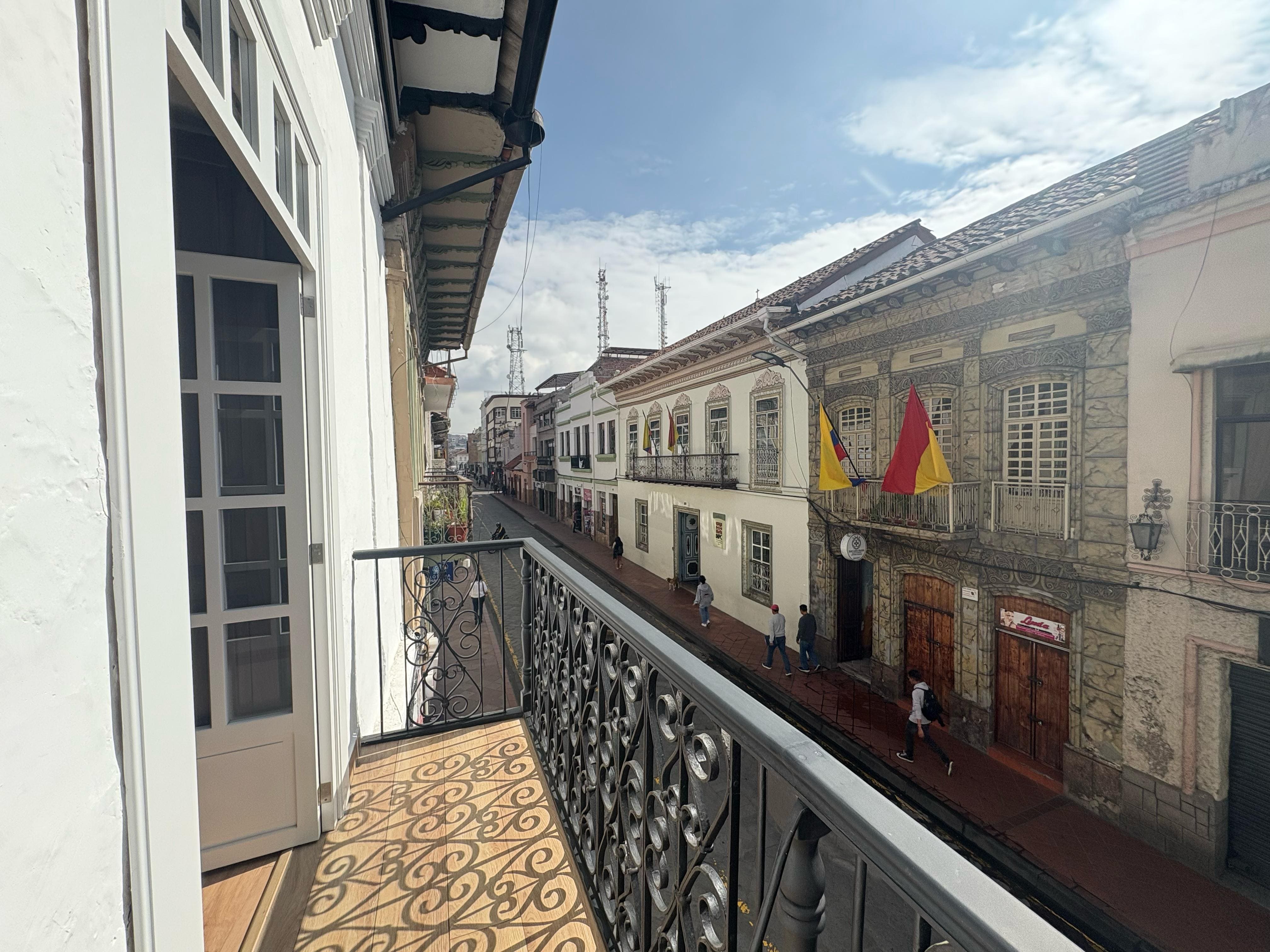
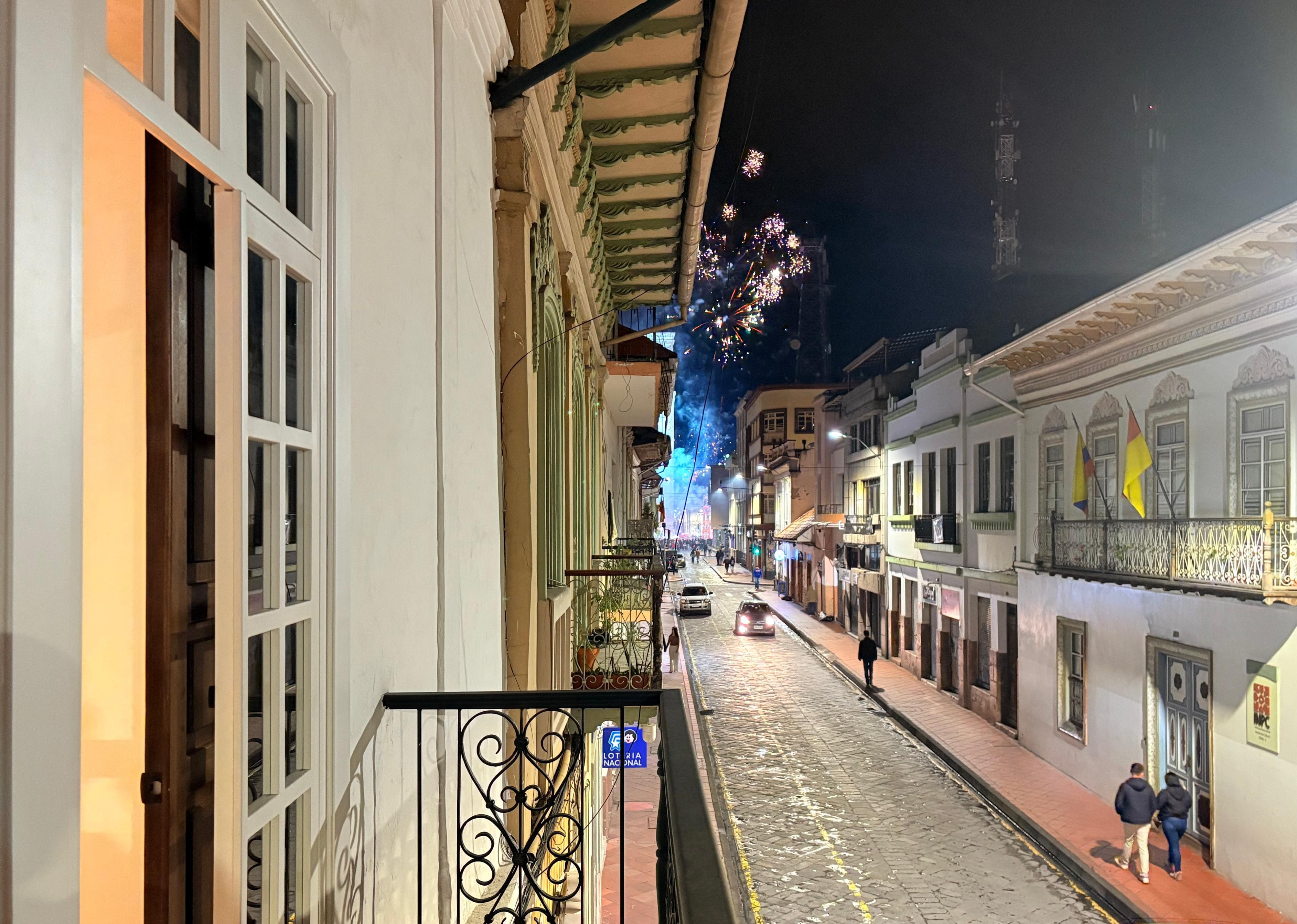
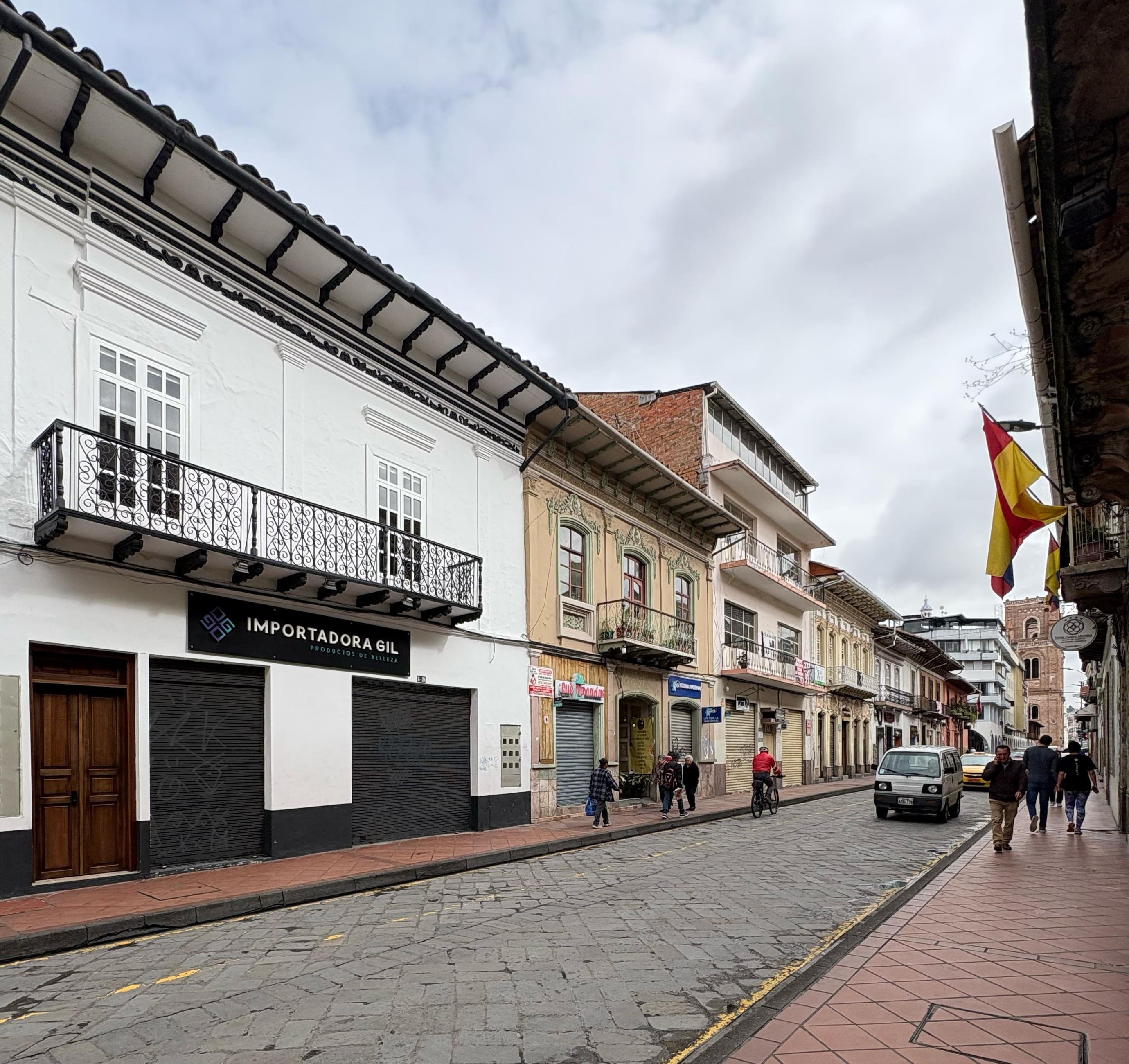
Casa 621 is a short-term rental property located in Cuenca, Ecuador. For more than 30 years, the house remained abandoned and unused. The main concern within the family was clear: would the investment ever be recovered if the property was restored? This uncertainty became the starting point of the project. Rather than relying on intuition, the decision was made to approach Casa 621 as a long-term investment project supported by data—with the objective of transforming an underutilized asset into a sustainable, passive income business for life.

Vale
Client from Miami
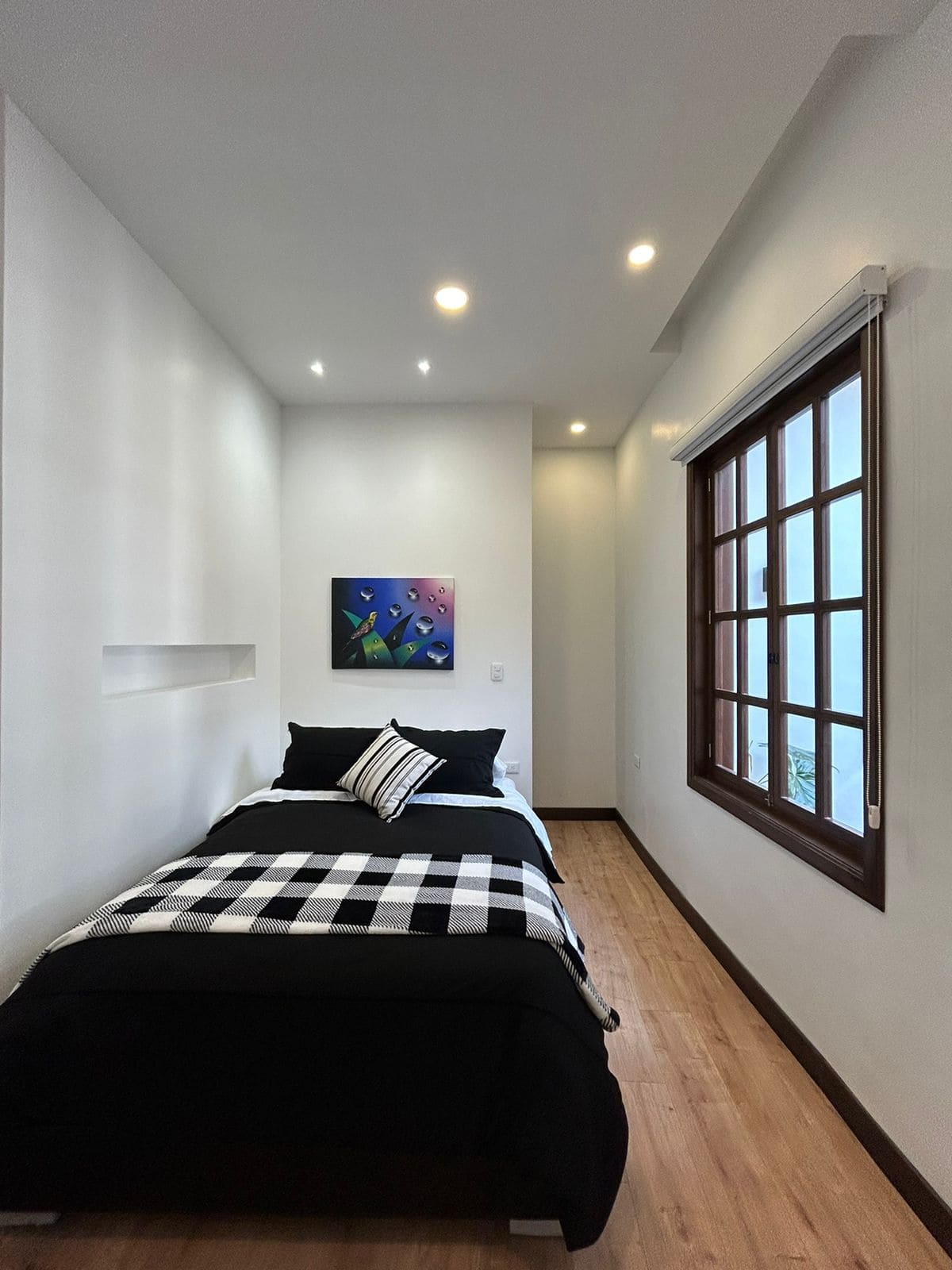
I loved staying here! I went with my family and we were 11 people all in. This place was perfect as each room has its own bathroom and queen/king sized beds. Whether it was couples or family members rooming together in the suites, it fit us all comfortably and fairly. Thank you!
The challenges
Expanding a boutique into a national fashion brand wasn’t going to be easy. Some of the major challenges included:
Lack of online presence: They had no website, no online sales channel, and no social media strategy.
Dependency on foot traffic: 100% of revenue came from walk-ins, which made scaling impossible.
Weak brand identity: While customers loved their products, their brand looked inconsistent and unprofessional.
Operational gaps: No systems for handling inventory or managing sales beyond the physical store.
The founders were motivated but overwhelmed, unsure of where to even begin.
Our approach
We structured our work with Urban Threads into four key phases:
Phase 1: Market research & audience analysis
We analyzed industry trends, competitor strategies, and customer behavior to identify the sweet spot for Urban Threads. We discovered that their unique strength lay in affordable “fast-trendy” pieces — items that customers could wear to both casual and semi-formal events.
Phase 2: Brand refresh
We developed a cohesive brand identity with a new logo, color scheme, and voice that appealed to their target demographic (18–30-year-olds). This made Urban Threads look polished, professional, and trustworthy — essential for gaining traction online.
Phase 3: Digital transformation
We built a fully functional e-commerce website optimized for mobile, with secure payment integration and an easy shopping experience. Simultaneously, we launched their social media presence, with content that balanced lifestyle storytelling and product showcases.
Phase 4: Growth strategy
To accelerate growth, we designed targeted ad campaigns on Instagram and TikTok, collaborating with micro-influencers who matched the brand’s vibe. We also set up a loyalty program to increase repeat purchases and an inventory management system to prevent stockouts.
The challenges
Expanding a boutique into a national fashion brand wasn’t going to be easy. Some of the major challenges included:
Lack of online presence: They had no website, no online sales channel, and no social media strategy.
Dependency on foot traffic: 100% of revenue came from walk-ins, which made scaling impossible.
Weak brand identity: While customers loved their products, their brand looked inconsistent and unprofessional.
Operational gaps: No systems for handling inventory or managing sales beyond the physical store.
The founders were motivated but overwhelmed, unsure of where to even begin.
Our approach
We structured our work with Urban Threads into four key phases:
Phase 1: Market research & audience analysis
We analyzed industry trends, competitor strategies, and customer behavior to identify the sweet spot for Urban Threads. We discovered that their unique strength lay in affordable “fast-trendy” pieces — items that customers could wear to both casual and semi-formal events.
Phase 2: Brand refresh
We developed a cohesive brand identity with a new logo, color scheme, and voice that appealed to their target demographic (18–30-year-olds). This made Urban Threads look polished, professional, and trustworthy — essential for gaining traction online.
Phase 3: Digital transformation
We built a fully functional e-commerce website optimized for mobile, with secure payment integration and an easy shopping experience. Simultaneously, we launched their social media presence, with content that balanced lifestyle storytelling and product showcases.
Phase 4: Growth strategy
To accelerate growth, we designed targeted ad campaigns on Instagram and TikTok, collaborating with micro-influencers who matched the brand’s vibe. We also set up a loyalty program to increase repeat purchases and an inventory management system to prevent stockouts.
The challenges
Expanding a boutique into a national fashion brand wasn’t going to be easy. Some of the major challenges included:
Lack of online presence: They had no website, no online sales channel, and no social media strategy.
Dependency on foot traffic: 100% of revenue came from walk-ins, which made scaling impossible.
Weak brand identity: While customers loved their products, their brand looked inconsistent and unprofessional.
Operational gaps: No systems for handling inventory or managing sales beyond the physical store.
The founders were motivated but overwhelmed, unsure of where to even begin.
Our approach
We structured our work with Urban Threads into four key phases:
Phase 1: Market research & audience analysis
We analyzed industry trends, competitor strategies, and customer behavior to identify the sweet spot for Urban Threads. We discovered that their unique strength lay in affordable “fast-trendy” pieces — items that customers could wear to both casual and semi-formal events.
Phase 2: Brand refresh
We developed a cohesive brand identity with a new logo, color scheme, and voice that appealed to their target demographic (18–30-year-olds). This made Urban Threads look polished, professional, and trustworthy — essential for gaining traction online.
Phase 3: Digital transformation
We built a fully functional e-commerce website optimized for mobile, with secure payment integration and an easy shopping experience. Simultaneously, we launched their social media presence, with content that balanced lifestyle storytelling and product showcases.
Phase 4: Growth strategy
To accelerate growth, we designed targeted ad campaigns on Instagram and TikTok, collaborating with micro-influencers who matched the brand’s vibe. We also set up a loyalty program to increase repeat purchases and an inventory management system to prevent stockouts.
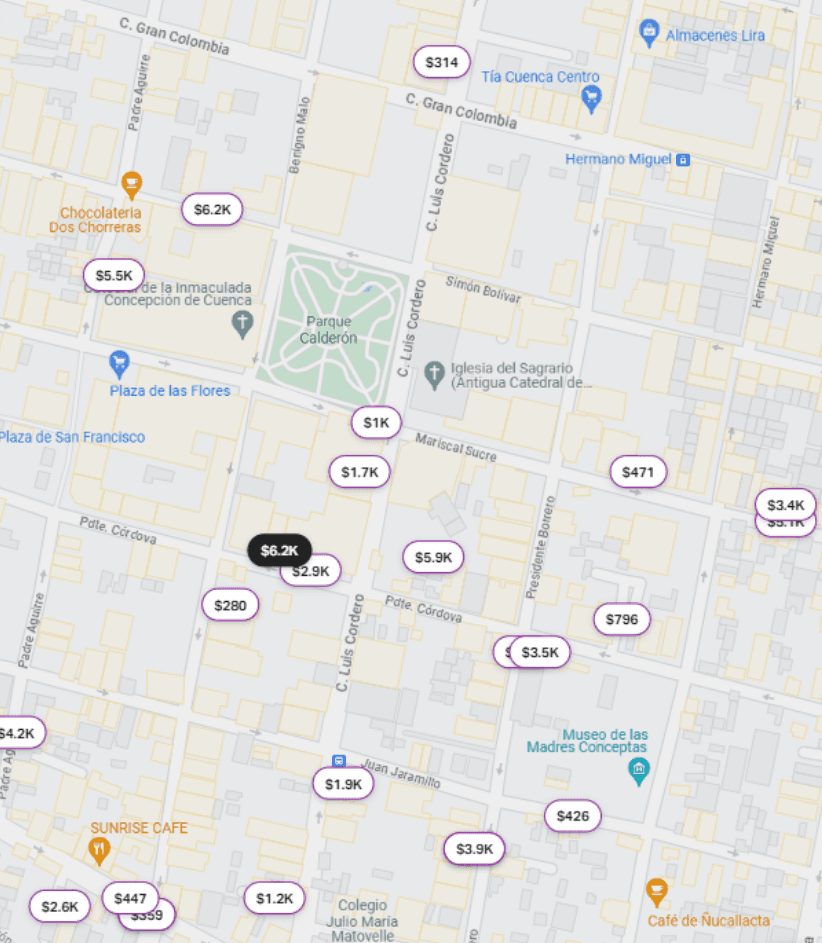
The results
The transformation was dramatic:
$20.7K in bookings during the first year (from a zero baseline)
490+ guests hosted in 12 months
31% operational margin, outperforming most traditional businesses
Loan investment fully covered, on track to be repaid in under 5 years
Casa 621 transitioned from an abandoned property into a long-term passive income asset for the family.
Lessons learned
Investment risk can be managed: Proper planning and data significantly reduce uncertainty.
Data changes outcomes: From budgeting to design decisions, data was the key differentiator in achieving profitability.
Design matters: A balance between aesthetics and functional logic directly impacts performance.
Operations need data: Continuous measurement enables efficiency, control, and sustained returns.
Key takeaways
Casa 621 demonstrates that the dream of building a passive income business is possible when investment decisions are analyzed, structured, and executed using data.
With a tailored process covering market research, design, launch, and operations, a real estate asset can evolve into a sustainable, long-term business—built to perform over time, not just at launch.
The results
The transformation was dramatic:
$20.7K in bookings during the first year (from a zero baseline)
490+ guests hosted in 12 months
31% operational margin, outperforming most traditional businesses
Loan investment fully covered, on track to be repaid in under 5 years
Casa 621 transitioned from an abandoned property into a long-term passive income asset for the family.
Lessons learned
Investment risk can be managed: Proper planning and data significantly reduce uncertainty.
Data changes outcomes: From budgeting to design decisions, data was the key differentiator in achieving profitability.
Design matters: A balance between aesthetics and functional logic directly impacts performance.
Operations need data: Continuous measurement enables efficiency, control, and sustained returns.
Key takeaways
Casa 621 demonstrates that the dream of building a passive income business is possible when investment decisions are analyzed, structured, and executed using data.
With a tailored process covering market research, design, launch, and operations, a real estate asset can evolve into a sustainable, long-term business—built to perform over time, not just at launch.
The results
The transformation was dramatic:
$20.7K in bookings during the first year (from a zero baseline)
490+ guests hosted in 12 months
31% operational margin, outperforming most traditional businesses
Loan investment fully covered, on track to be repaid in under 5 years
Casa 621 transitioned from an abandoned property into a long-term passive income asset for the family.
Lessons learned
Investment risk can be managed: Proper planning and data significantly reduce uncertainty.
Data changes outcomes: From budgeting to design decisions, data was the key differentiator in achieving profitability.
Design matters: A balance between aesthetics and functional logic directly impacts performance.
Operations need data: Continuous measurement enables efficiency, control, and sustained returns.
Key takeaways
Casa 621 demonstrates that the dream of building a passive income business is possible when investment decisions are analyzed, structured, and executed using data.
With a tailored process covering market research, design, launch, and operations, a real estate asset can evolve into a sustainable, long-term business—built to perform over time, not just at launch.
When should you contact me? If you’re ready to use data to improve how your business is planned, built, operated, and scaled.
When should you contact me? If you’re ready to use data to improve how your business is planned, built, operated, and scaled.
When should you contact me? If you’re ready to use data to improve how your business is planned, built, operated, and scaled.