Case Study
Case Study
Rappi: Using Data to Invest Smarter and Grow Without Losing Control
Company
Rappi
Company
Rappi
Company
Rappi
Services
Growth Enablement · Marketplace Liquidity · Cost Efficiency · Supply Scalability · Real-Time Execution · Data-Driven Decision Making
Services
Growth Enablement · Marketplace Liquidity · Cost Efficiency · Supply Scalability · Real-Time Execution · Data-Driven Decision Making
Services
Growth Enablement · Marketplace Liquidity · Cost Efficiency · Supply Scalability · Real-Time Execution · Data-Driven Decision Making
Industry
Logistics & Marketplace Operations
Industry
Logistics & Marketplace Operations
Industry
Logistics & Marketplace Operations
Year
2025
Year
2025
Year
2025

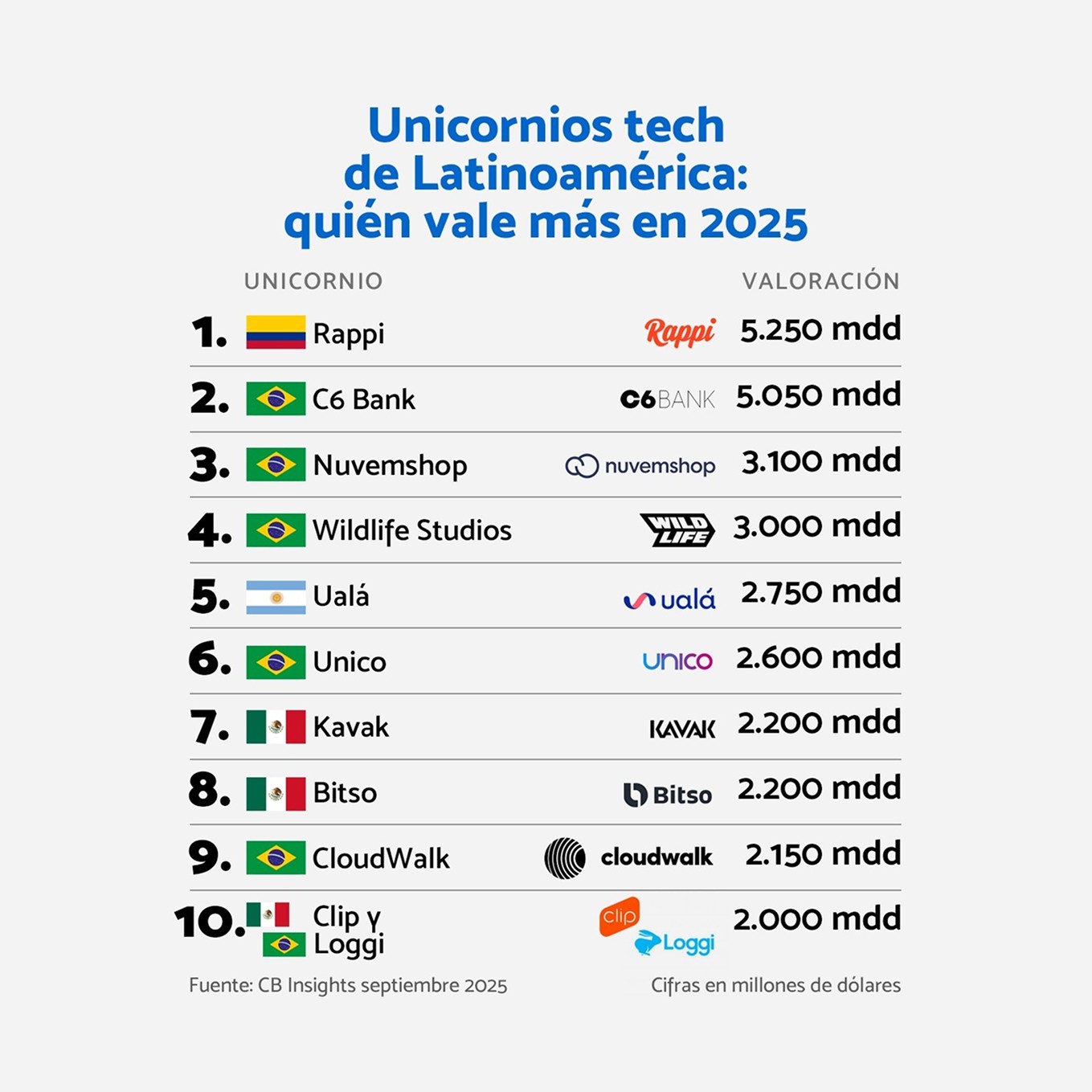
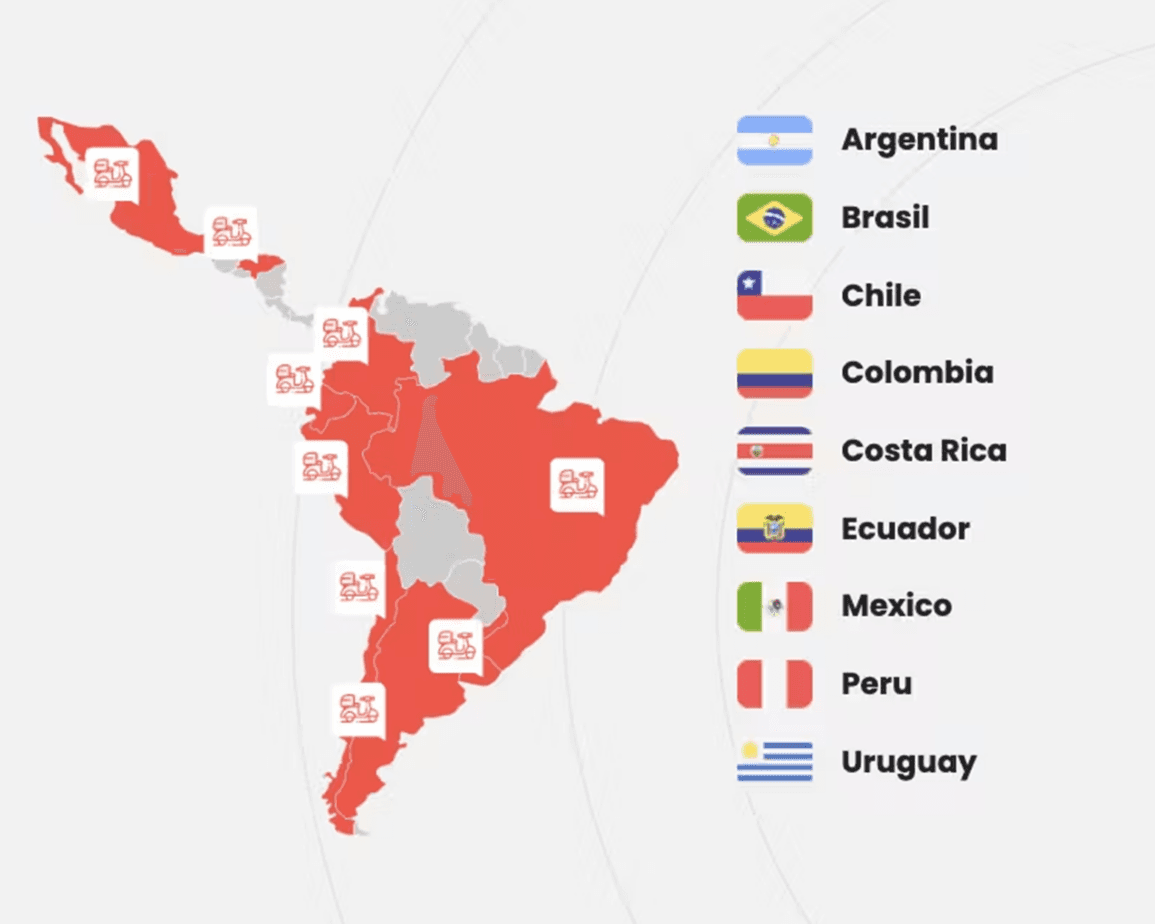
Rappi is the largest unicorn in Latin America, valued at over $5B, operating across 9 countries and 200+ cities. As the business scaled, one of its most critical challenges became clear: how to allocate resources efficiently on days with demand spikes or supply shortages—without overspending or losing control of operations. Poor investment decisions during high-variability days could directly impact: revenue service quality customer experience long-term growth The opportunity was to move from reactive decision-making to a structured, data-driven investment system—capable of guiding both short- and long-term decisions at scale.

Simon Borrero
CEO & Founder
We’ve reached a scaling phase where the model has proven to work. It creates strong social impact—benefiting couriers, merchants, and users by giving them back valuable time to enjoy with their families. At the same time, it’s a model that also works financially.
The challenges
Building a forecasting and investment system capable of supporting decisions across 200+ cities in multiple countries is a complex task. The main challenges included:
Seasonality and holidays: Demand patterns vary significantly by country and city, requiring a scalable and localized forecasting approach.
Inorganic growth impact: Marketing campaigns drive demand spikes that must be measured and incorporated into forecasts accurately.
Capital allocation efficiency: Supply and marketing investments are costly—overestimating leads to waste, underestimating leads to lost sales.
Value capture through process: Forecasts alone are not enough; they must be embedded into daily operational decision-making to generate real impact
The approach
A tailored process was designed and executed across four phases.
A tailored, data-driven process was designed and executed across four phases.
Phase 1: Short-Term Forecasting for Immediate Investment Decisions
The first priority was improving short-term investment accuracy.
Working with a team of data scientists, a forecasting system was developed to predict city-level demand up to 7 days ahead, achieving 94% accuracy across Latin America.
This enabled teams to:
anticipate demand surges
allocate supply more precisely
make informed short-term investment decisions
Phase 2: Process Integration, Measurement, and Continuous Improvement
Forecast outputs were integrated into operational workflows.
Whenever demand deviated from business-as-usual patterns, the system triggered structured decision processes—allowing multiple teams to respond quickly and consistently.
This shift from intuition-based to process-driven execution led to measurable improvements in investment effectiveness.
Phase 3: Long-Term Forecasting for Strategic Planning
Once short-term stability was achieved, the focus shifted to long-term planning. Advanced machine learning and AI models were introduced to forecast demand variability 3 to 12 months ahead—enabling long-term investments that are typically difficult to predict.
This allowed Rappi to:
plan capacity and incentives in advance
reduce volatility risk
support sustainable, year-over-year growth
Phase 4: Process Optimization and Long-Term Value Capture
The forecasting system became a core input for multiple strategic initiatives, including:
payments
marketing investments
non-monetary incentives
strategic partnerships
The model was also implemented in the 2025 Rappi–Amazon alliance, ensuring investment decisions were aligned across short- and long-term horizons.
The expected annual impact exceeds $60M in value capture.
The challenges
Building a forecasting and investment system capable of supporting decisions across 200+ cities in multiple countries is a complex task. The main challenges included:
Seasonality and holidays: Demand patterns vary significantly by country and city, requiring a scalable and localized forecasting approach.
Inorganic growth impact: Marketing campaigns drive demand spikes that must be measured and incorporated into forecasts accurately.
Capital allocation efficiency: Supply and marketing investments are costly—overestimating leads to waste, underestimating leads to lost sales.
Value capture through process: Forecasts alone are not enough; they must be embedded into daily operational decision-making to generate real impact
The approach
A tailored process was designed and executed across four phases.
A tailored, data-driven process was designed and executed across four phases.
Phase 1: Short-Term Forecasting for Immediate Investment Decisions
The first priority was improving short-term investment accuracy.
Working with a team of data scientists, a forecasting system was developed to predict city-level demand up to 7 days ahead, achieving 94% accuracy across Latin America.
This enabled teams to:
anticipate demand surges
allocate supply more precisely
make informed short-term investment decisions
Phase 2: Process Integration, Measurement, and Continuous Improvement
Forecast outputs were integrated into operational workflows.
Whenever demand deviated from business-as-usual patterns, the system triggered structured decision processes—allowing multiple teams to respond quickly and consistently.
This shift from intuition-based to process-driven execution led to measurable improvements in investment effectiveness.
Phase 3: Long-Term Forecasting for Strategic Planning
Once short-term stability was achieved, the focus shifted to long-term planning. Advanced machine learning and AI models were introduced to forecast demand variability 3 to 12 months ahead—enabling long-term investments that are typically difficult to predict.
This allowed Rappi to:
plan capacity and incentives in advance
reduce volatility risk
support sustainable, year-over-year growth
Phase 4: Process Optimization and Long-Term Value Capture
The forecasting system became a core input for multiple strategic initiatives, including:
payments
marketing investments
non-monetary incentives
strategic partnerships
The model was also implemented in the 2025 Rappi–Amazon alliance, ensuring investment decisions were aligned across short- and long-term horizons.
The expected annual impact exceeds $60M in value capture.
The challenges
Building a forecasting and investment system capable of supporting decisions across 200+ cities in multiple countries is a complex task. The main challenges included:
Seasonality and holidays: Demand patterns vary significantly by country and city, requiring a scalable and localized forecasting approach.
Inorganic growth impact: Marketing campaigns drive demand spikes that must be measured and incorporated into forecasts accurately.
Capital allocation efficiency: Supply and marketing investments are costly—overestimating leads to waste, underestimating leads to lost sales.
Value capture through process: Forecasts alone are not enough; they must be embedded into daily operational decision-making to generate real impact
The approach
A tailored process was designed and executed across four phases.
A tailored, data-driven process was designed and executed across four phases.
Phase 1: Short-Term Forecasting for Immediate Investment Decisions
The first priority was improving short-term investment accuracy.
Working with a team of data scientists, a forecasting system was developed to predict city-level demand up to 7 days ahead, achieving 94% accuracy across Latin America.
This enabled teams to:
anticipate demand surges
allocate supply more precisely
make informed short-term investment decisions
Phase 2: Process Integration, Measurement, and Continuous Improvement
Forecast outputs were integrated into operational workflows.
Whenever demand deviated from business-as-usual patterns, the system triggered structured decision processes—allowing multiple teams to respond quickly and consistently.
This shift from intuition-based to process-driven execution led to measurable improvements in investment effectiveness.
Phase 3: Long-Term Forecasting for Strategic Planning
Once short-term stability was achieved, the focus shifted to long-term planning. Advanced machine learning and AI models were introduced to forecast demand variability 3 to 12 months ahead—enabling long-term investments that are typically difficult to predict.
This allowed Rappi to:
plan capacity and incentives in advance
reduce volatility risk
support sustainable, year-over-year growth
Phase 4: Process Optimization and Long-Term Value Capture
The forecasting system became a core input for multiple strategic initiatives, including:
payments
marketing investments
non-monetary incentives
strategic partnerships
The model was also implemented in the 2025 Rappi–Amazon alliance, ensuring investment decisions were aligned across short- and long-term horizons.
The expected annual impact exceeds $60M in value capture.

The results
Across high-variability days over the last four years:
+11.3% YoY sales growth during seasonal demand peaks
−22% reduction in delays caused by supply shortages
Lower operational costs through improved capital allocation
End-to-end process fully embedded into daily operations
Rappi transitioned to a replicable, scalable investment planning system that saves millions annually while enabling controlled growth.
Lessons learned
High demand is predictable: With the right data and models, volatility can be anticipated and managed.
Data must be operationalized: Analytics only create value when embedded into real business processes.
Long-term planning pays off: Strategic investments perform significantly better when informed by scenario-based forecasting.
Strong data systems enable partnerships: Reliable short- and long-term data unlocks strategic alliances, such as the Amazon partnership.
Key takeaways
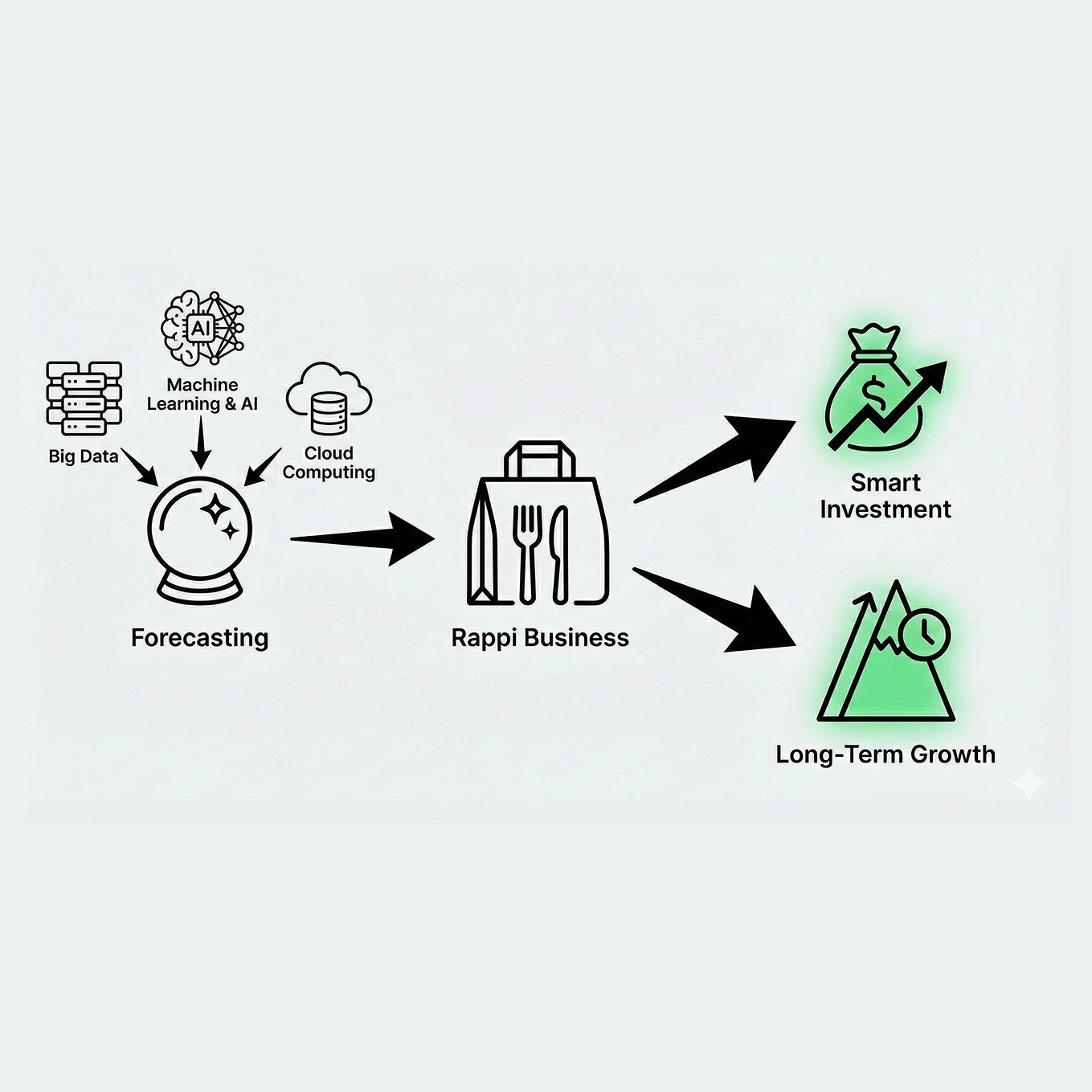
Rappi demonstrates how investing in data systems and structured planning processes enables companies to scale efficiently across hundreds of cities.
Once implemented, this approach is:
repeatable
scalable
and capable of delivering value across both short- and long-term horizons
The key is not just building models—but designing systems that turn data into better investment decisions at scale.
The results
Across high-variability days over the last four years:
+11.3% YoY sales growth during seasonal demand peaks
−22% reduction in delays caused by supply shortages
Lower operational costs through improved capital allocation
End-to-end process fully embedded into daily operations
Rappi transitioned to a replicable, scalable investment planning system that saves millions annually while enabling controlled growth.
Lessons learned
High demand is predictable: With the right data and models, volatility can be anticipated and managed.
Data must be operationalized: Analytics only create value when embedded into real business processes.
Long-term planning pays off: Strategic investments perform significantly better when informed by scenario-based forecasting.
Strong data systems enable partnerships: Reliable short- and long-term data unlocks strategic alliances, such as the Amazon partnership.
Key takeaways
Rappi demonstrates how investing in data systems and structured planning processes enables companies to scale efficiently across hundreds of cities.
Once implemented, this approach is:
repeatable
scalable
and capable of delivering value across both short- and long-term horizons
The key is not just building models—but designing systems that turn data into better investment decisions at scale.
The results
Across high-variability days over the last four years:
+11.3% YoY sales growth during seasonal demand peaks
−22% reduction in delays caused by supply shortages
Lower operational costs through improved capital allocation
End-to-end process fully embedded into daily operations
Rappi transitioned to a replicable, scalable investment planning system that saves millions annually while enabling controlled growth.
Lessons learned
High demand is predictable: With the right data and models, volatility can be anticipated and managed.
Data must be operationalized: Analytics only create value when embedded into real business processes.
Long-term planning pays off: Strategic investments perform significantly better when informed by scenario-based forecasting.
Strong data systems enable partnerships: Reliable short- and long-term data unlocks strategic alliances, such as the Amazon partnership.
Key takeaways
Rappi demonstrates how investing in data systems and structured planning processes enables companies to scale efficiently across hundreds of cities.
Once implemented, this approach is:
repeatable
scalable
and capable of delivering value across both short- and long-term horizons
The key is not just building models—but designing systems that turn data into better investment decisions at scale.
When should you contact me? If you’re ready to use data to improve how your business is planned, built, operated, and scaled.
When should you contact me? If you’re ready to use data to improve how your business is planned, built, operated, and scaled.
When should you contact me? If you’re ready to use data to improve how your business is planned, built, operated, and scaled.